
The Evolution of Golf Balls
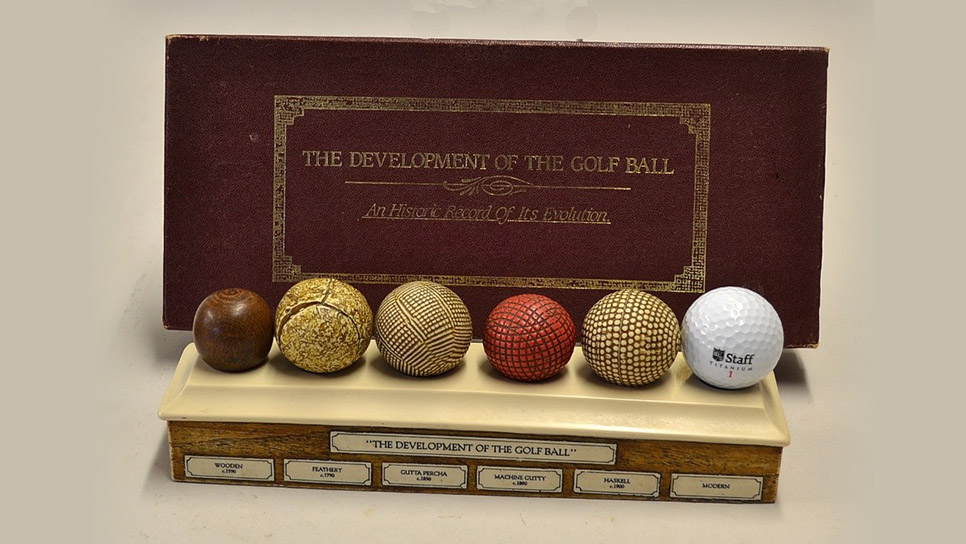
From Humble Beginnings to Modern Technological Marvels
The golf ball: a small yet indispensable part of every golfer's experience. While today’s golf ball is the result of extensive technological advancement, its journey from humble beginnings to the modern era is fascinating and full of twists.
First Generation: Early Days and Primitive Materials
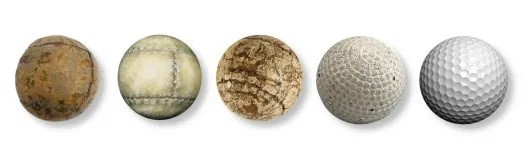
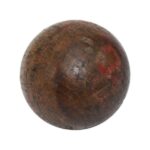
In the early development of golf in the 14th century, balls were made of wood and were heavy and imprecise. Over the centuries, they evolved, crafted from materials like cork, leather, or even tightly packed wet feather layers. These early balls were nothing like today's versions; their irregularity and unpredictability often drove golfers to frustration.
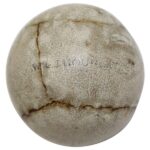
Between 1486 and 1618, Scots used a golf ball imported from Holland that was hand-sewn, a round leather ball stuffed with cow hair or straw.
These balls continued to be used even after the introduction of the feathery golf ball in 1618 because they were cheaper, earning the nickname "common" balls.
They were used until the early 18th century.
The 19th-Century Revolution: Gutta-Percha and the First Use of Technology
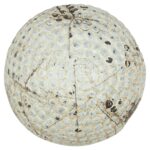
A true revolution in the world of golf balls occurred during the 19th century with the discovery of gutta-percha, a natural resin used in ball-making. This new material significantly improved ball performance. Gutta-percha balls were more resistant to damage and delivered better results when struck.
First Patents and Innovations: The Birth of Modern Golf Balls
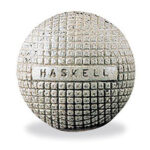
With technological progress came the first patented golf balls. In 1898, American inventor Coburn Haskell and professional golfer Bertram Work patented the first ball with an internal core, replacing gutta-percha with rubber. This opened the door to further innovation and research.
The Modern Era: Technological Advancement and Scientific Approach
Throughout the 20th century, technological progress led to increasingly sophisticated materials and designs in golf ball manufacturing. Today, golf balls are made using complex blends of materials like urethane, ballistic polymers, and various types of rubber. Each is carefully designed to provide optimal performance in terms of distance, control, and feel.

The Future of Golf Balls: Innovations Ahead
While we currently enjoy high-tech golf balls, the future of this segment of golf equipment is full of potential. Research in materials science, aerodynamics, and manufacturing technology is expected to bring even more advanced balls that will enhance players' performance on the course.

The history of golf balls is a journey through time, from humble beginnings to today’s technological marvels. Through the centuries, innovators have worked tirelessly to improve the performance of this vital piece of golf equipment. As we admire modern golf balls and their unprecedented performance, it is important to remember their origins and how far they have come. Ultimately, the golf ball is a symbol of enduring evolution and the passion that drives the sport of golf.
Recent articles
- Augusta Masters 2026 – Who Will Wear the Green Jacket This Year?
- Golf Course and Green Card – The First Step Toward a True Golf Experience
- Belek Golf Trip 2026 – Tournament, World-Class Courses and an Unforgettable Experience
- All Eyes on Augusta: What to Expect from the 2025 Masters Tournament ?
- The Evolution of Golf Balls